Showing posts with label Speed Paint Challenge. Show all posts

Thursday, 2 June 2016

An Introduction: Initial Responses

Let's start by getting some existing work out of the way. As is the case with many alumni and students, I've been responding to the speedpaint challenges over the last few weeks. So, these early paintings are without influence or discussion, just immediate responses to each segment of music. 


As is often the case, these early, first responses are without too much design or real understanding. Thus, these paintings are not proposed outcomes, but rather a starting point from which to move from and begin early discussions.

Already, we have been discussing some building blocks for the project. With such an expansive animation, we know that methodologies and structure will be a huge help in finding a pathway through the sequence. Some of these early ideas are really exciting starting points for how the world might be built.

Day Cycle / Lighting / Mood
After the first sequence (The Map), the tone of the music eases us into a new world. Each sequence thereafter seems to become more developed and suggestive of a time of day. For this reason, we've discussed the idea that the animation takes place over a day cycle. Or at the very least, each sequence should require some unique lighting as we change spaces and districts. As I collect and look through the student work, I think this notion will demonstrated. Within my own paintings, there was certainly a feeling of light changes that can be seen when placed in sequence. I'll be posting some personal thoughts on each sequence soon.

Abstraction / Realism
The second discussion currently underway (which will change as we push visual development forward) is the aesthetic landing point between realism and abstract. Obviously, realism is an incorrect pathway. This has been proven time and time again with CG animation. But we do want to move into the world of dimensions and forms. It should be an expansive space that becomes evocative of a city, yet still maintain some abstraction. I think we'll find this landing point as paintings progress, but my next task is to start painting abstractly, just to see the potential of this extreme.


Character / Camera Direction
I'm sure Phil will talk more about this soon, but one aspect we've discussed since the beginning, is the camera direction. How do we move through these spaces in an interesting and dynamic manner? Whatever this is, it needs to help inject some narrative and momentum, rather than simply gliding through an environment. Early discussions are moving towards the idea of a murmuration of birds. A big swirling vortex of shapes that moves, expands and breaks up through the city. As we follow them, we lock onto specific characters which help provide some narrative to a specific district. Whether it be the excited, wide eyed starling awe struck by the views before them, or perhaps multiple characters racing through the streets. A simply premise, but something with great potential.

So, consider this my little introduction. This is the starting point for lots of work to come. I'll be posting soon on the following:

- Sequence Breakdowns
- CAA Responses and Analysis
- Visual Development
- Influences

More soon!

Sunday, 10 April 2016

YPGTTO: Kingdoms Of Sound Speed Paint Challenge #15 The Kingdom Of Sound


Speed Paint Challenge #15
The Kingdom Of Sound

This is it, ladies and gentleman: this is Britten's big finish.  Your challenge is to show us the Kingdom of Sound in all it's helicopter-shot-style glory.  We want to see the whole realm laid out before us.  It needs to be grand, majestic and super-cinematic!  These are the closing shots, expressing the power, potential and sonic excitement of an orchestra in full swing!


Young Person's Guide To The Orchestra, Op. 34 - Finale / Benjamin Britten


Need more inspiration? Visit the original YPGTTO brief here.

Wednesday, 6 April 2016

YPGTTO: Kingdoms Of Sound Speed Paint Challenge #14 The Percussion City


Speed Paint Challenge #14
 The Percussion City


Percussion: The percussion family is the largest in the orchestra. Percussion instruments include any instrument that makes a sound when it is hit, shaken, or scraped. It's not easy to be a percussionist because it takes a lot of practice to hit an instrument with the right amount of strength, in the right place and at the right time. Some percussion instruments are tuned and can sound different notes, like the xylophone, timpani or piano, and some are untuned with no definite pitch, like the bass drum, cymbals or castanets. Percussion instruments keep the rhythm, make special sounds and add excitement and color. Unlike most of the other players in the orchestra, a percussionist will usually play many different instruments in one piece of music. The most common percussion instruments in the orchestra include the timpani, xylophone, cymbals, triangle, snare drum, bass drum, tambourine, maracas, gongs, chimes, celesta and piano.


You can listen to the extract (below) as many times as you like. We don't want literal images of the instruments associated with the extracts, but we do want your concept paintings to associate with the shapes, forms, structures, mechanisms, colours, materials and special characteristics of the specific instrument - and the moods evoked by the music extract itself.  

We do want to get a sense of spaces and places - of being 'within' these various districts of our Kingdom Of Sound.

Think of the relationship between the instrument and the extract in the following way: the structure, shapes, mechanisms and movement of the instrument gives you your vocabulary of architectural components, and the music extract gives you the art direction (i.e. the mood, colour palette, composition etc.)

In regards to setting up your speed paints in Photoshop - a few basic rules: can you ensure you're working at the following settings: 2560 pixels x 1440 pixels / 300dpi.

Feel free to go even more panoramic if your vision demands it and feel free to flip between landscape and portrait as your imagination requires. Once you've completed your digital painting(s), can you upload it to your blog entitled YPGTTO Speed Paint Challenge, and include the number and title of the challenge too:  YPGTTO Speed Paint Challenge 14 : The Percussion City

Please can you keep all your original Speed Paint files safe and sound in a folder, as I'll be collecting them in as an archive of the project at the end of the challenge.


Young Person's Guide To The Orchestra, Op. 34 - Percussion / Benjamin Britten


Need more inspiration? Visit the original YPGTTO brief here.

Sunday, 3 April 2016

YPGTTO: Kingdoms Of Sound Speed Paint Challenge #13 The Brass City / The Trombone & Tuba District


Speed Paint Challenge #13
The Brass City / The Trombone & Tuba District


Trombone:  Brassy, brilliant, powerful, overpowering, solid, tense, penetrating, dramatic, hard, full, sinister, soft, round. 

Low register: Dark, weighty, dense, somber, threatening when played forte, mysterious and full when played piano. It is used for weighty and portentous themes and as bass in harmony sequences.

Middle register: Metallic sound, mighty, sometimes blaring and heroic when played forte. Grave, sustaining, full, mysterious in piano. Very short and barely sounded notes through sustained chords.

Upper register: Here the sound becomes more brilliant and can reach sweeping intensity. The mellowness increases. The tenor trombone, now sounding more metallic, more definite and brighter, shares this register with the French horn, which sounds playful and magical.

Tuba: Round, calm, hearty, loud, robust, ponderous, sustaining, soothing, earthy, sonorous, majestic, cavernous, rumbling, unfathomable, grave, weighty, broad, resonant.

The tuba has a smooth round full tone, deep and sonorous enough it can fill an entire hall. The range of the tuba is quite vast, the lowest notes reach down below the range of the piano and the highest reaching upwards of F4. It's lower range can be loud, raspy, and describable as "flatulent" in nature, while the upper register can be rich, smooth, and sweet sounding.


Trombone

Tuba


You can listen to the extract (below) as many times as you like. We don't want literal images of the instruments associated with the extracts, but we do want your concept paintings to associate with the shapes, forms, structures, mechanisms, colours, materials and special characteristics of the specific instrument - and the moods evoked by the music extract itself.  

We do want to get a sense of spaces and places - of being 'within' these various districts of our Kingdom Of Sound.

Think of the relationship between the instrument and the extract in the following way: the structure, shapes, mechanisms and movement of the instrument gives you your vocabulary of architectural components, and the music extract gives you the art direction (i.e. the mood, colour palette, composition etc.)

In regards to setting up your speed paints in Photoshop - a few basic rules: can you ensure you're working at the following settings: 2560 pixels x 1440 pixels / 300dpi.

Feel free to go even more panoramic if your vision demands it and feel free to flip between landscape and portrait as your imagination requires. Once you've completed your digital painting(s), can you upload it to your blog entitled YPGTTO Speed Paint Challenge, and include the number and title of the challenge too:  YPGTTO Speed Paint Challenge 13 : The Trombone & Tuba District

Please can you keep all your original Speed Paint files safe and sound in a folder, as I'll be collecting them in as an archive of the project at the end of the challenge.


Young Person's Guide To The Orchestra, Op. 34 - Trombones & Tubas / Benjamin Britten


Need more inspiration? Visit the original YPGTTO brief here.

Wednesday, 30 March 2016

YPGTTO: Kingdoms Of Sound Speed Paint Challenge #12 The Brass City / The Trumpet District


Speed Paint Challenge #12
The Brass City / The Trumpet District


Trumpet: The trumpet is constructed of brass tubing bent twice into a rounded oblong shape. It has the highest register in the brass family. As a signaling device in battle or hunting, trumpets have a very long history, dating back to at least 1500 BC.  The trumpet’s sound is metallic, bright (but also dark in the lower register), intense, brilliant, powerful and stately.


You can listen to the extract (below) as many times as you like. We don't want literal images of the instruments associated with the extracts, but we do want your concept paintings to associate with the shapes, forms, structures, mechanisms, colours, materials and special characteristics of the specific instrument - and the moods evoked by the music extract itself.  

We do want to get a sense of spaces and places - of being 'within' these various districts of our Kingdom Of Sound.

Think of the relationship between the instrument and the extract in the following way: the structure, shapes, mechanisms and movement of the instrument gives you your vocabulary of architectural components, and the music extract gives you the art direction (i.e. the mood, colour palette, composition etc.)

In regards to setting up your speed paints in Photoshop - a few basic rules: can you ensure you're working at the following settings: 2560 pixels x 1440 pixels / 300dpi.

Feel free to go even more panoramic if your vision demands it and feel free to flip between landscape and portrait as your imagination requires. Once you've completed your digital painting(s), can you upload it to your blog entitled YPGTTO Speed Paint Challenge, and include the number and title of the challenge too:  YPGTTO Speed Paint Challenge 12 : The Trumpet District

Please can you keep all your original Speed Paint files safe and sound in a folder, as I'll be collecting them in as an archive of the project at the end of the challenge.


Young Person's Guide To The Orchestra, Op. 34 - Trumpets / Benjamin Britten


Need more inspiration? Visit the original YPGTTO brief here.

Sunday, 27 March 2016

YPGTTO: Kingdoms Of Sound Speed Paint Challenge #11 The Brass City / The Horn District


Speed Paint Challenge #11
The Brass City / The Horn District


French Horn: The French horn is often played with the right hand inside the bell. It is the only brass instrument with a funnel shaped mouthpiece. The French horn consists of about 20 feet of narrow tubing wound into a circle. The player obtains different notes on the horn with a clear mellow sound by pressing the rotary valves. The French horn has the reputation of being one of the hardest brass instruments to play, though also one that produces one of the most beautiful sounds...


You can listen to the extract (below) as many times as you like. We don't want literal images of the instruments associated with the extracts, but we do want your concept paintings to associate with the shapes, forms, structures, mechanisms, colours, materials and special characteristics of the specific instrument - and the moods evoked by the music extract itself.  

We do want to get a sense of spaces and places - of being 'within' these various districts of our Kingdom Of Sound.

Think of the relationship between the instrument and the extract in the following way: the structure, shapes, mechanisms and movement of the instrument gives you your vocabulary of architectural components, and the music extract gives you the art direction (i.e. the mood, colour palette, composition etc.)

In regards to setting up your speed paints in Photoshop - a few basic rules: can you ensure you're working at the following settings: 2560 pixels x 1440 pixels / 300dpi.

Feel free to go even more panoramic if your vision demands it and feel free to flip between landscape and portrait as your imagination requires. Once you've completed your digital painting(s), can you upload it to your blog entitled YPGTTO Speed Paint Challenge, and include the number and title of the challenge too:  YPGTTO Speed Paint Challenge 11 : The Horn District

Please can you keep all your original Speed Paint files safe and sound in a folder, as I'll be collecting them in as an archive of the project at the end of the challenge.


Young Person's Guide To The Orchestra, Op. 34 - Horns / Benjamin Britten


Need more inspiration? Visit the original YPGTTO brief here.

Wednesday, 23 March 2016

YPGTTO: Kingdoms Of Sound Speed Paint Challenge #10 The String City / The Harp District


Speed Paint Challenge #10
The String City / The Harp District


The Harp:  Harps are essentially triangular in shape, and are made primarily of wood. Harp strings are made of metal gut and sometimes nylon, and are coloured to give the player a visual aid to find the right string, with all the Cs red and all the Fs black. The lowest strings are made from steel and the rest of the strings are made from gut, although some players use nylon strings for the very highest notes, as gut strings tend to break more often. The harp's neck sweeps up and forward like a snake and is often decorated with animal or human-like mythological figures. 

Gentle, metallic, blurring, resonant, short, hard, drifting, full-sounding, rushing, clear, brilliant, glittering, flowing, dull, mellow, sharp, crystal clear, reverberating, splashing, cascading.


You can listen to the extract (below) as many times as you like. We don't want literal images of the instruments associated with the extracts, but we do want your concept paintings to associate with the shapes, forms, structures, mechanisms, colours, materials and special characteristics of the specific instrument - and the moods evoked by the music extract itself.  

We do want to get a sense of spaces and places - of being 'within' these various districts of our Kingdom Of Sound.

Think of the relationship between the instrument and the extract in the following way: the structure, shapes, mechanisms and movement of the instrument gives you your vocabulary of architectural components, and the music extract gives you the art direction (i.e. the mood, colour palette, composition etc.)

In regards to setting up your speed paints in Photoshop - a few basic rules: can you ensure you're working at the following settings: 2560 pixels x 1440 pixels / 300dpi.

Feel free to go even more panoramic if your vision demands it and feel free to flip between landscape and portrait as your imagination requires. Once you've completed your digital painting(s), can you upload it to your blog entitled YPGTTO Speed Paint Challenge, and include the number and title of the challenge too:  YPGTTO Speed Paint Challenge 10 : The Harp District

Please can you keep all your original Speed Paint files safe and sound in a folder, as I'll be collecting them in as an archive of the project at the end of the challenge.


Young Person's Guide To The Orchestra, Op. 34 - The Harp / Benjamin Britten

Sunday, 20 March 2016

YPGTTO: Kingdoms Of Sound Speed Paint Challenge #9 The String City / The Double Bass District


Speed Paint Challenge #9
The String City / The Double Bass District


The Double Bass: The double bass is the largest and lowest-sounding instrument of the string family. It doesn’t have a huge amount of solo repertory but it plays a very important role in both jazz bands and classical orchestras. The double bass is so large that players have to stand up or sit on a high stool to play it. Like all stringed instruments in an orchestra, the bass can be played with a bow or plucked with the fingers. 

Heavy, weighty, dark, weightless, wafting, somber, earthy, resonant, rasping, broad, hollow, dull, mighty, menacing, violent, mellow, sustaining, aspirate.


You can listen to the extract (below) as many times as you like. We don't want literal images of the instruments associated with the extracts, but we do want your concept paintings to associate with the shapes, forms, structures, mechanisms, colours, materials and special characteristics of the specific instrument - and the moods evoked by the music extract itself.  

We do want to get a sense of spaces and places - of being 'within' these various districts of our Kingdom Of Sound.

Think of the relationship between the instrument and the extract in the following way: the structure, shapes, mechanisms and movement of the instrument gives you your vocabulary of architectural components, and the music extract gives you the art direction (i.e. the mood, colour palette, composition etc.)

In regards to setting up your speed paints in Photoshop - a few basic rules: can you ensure you're working at the following settings: 2560 pixels x 1440 pixels / 300dpi.

Feel free to go even more panoramic if your vision demands it and feel free to flip between landscape and portrait as your imagination requires. Once you've completed your digital painting(s), can you upload it to your blog entitled YPGTTO Speed Paint Challenge, and include the number and title of the challenge too:  YPGTTO Speed Paint Challenge 9 : The Double Bass District

Please can you keep all your original Speed Paint files safe and sound in a folder, as I'll be collecting them in as an archive of the project at the end of the challenge.


Young Person's Guide To The Orchestra, Op. 34 - Double Bass / Benjamin Britten


Need more inspiration? Visit the original YPGTTO brief here.

Wednesday, 16 March 2016

YPGTTO: Kingdoms Of Sound Speed Paint Challenge #8 The String City / The Cello District


Speed Paint Challenge #8
The String City / The Cello District

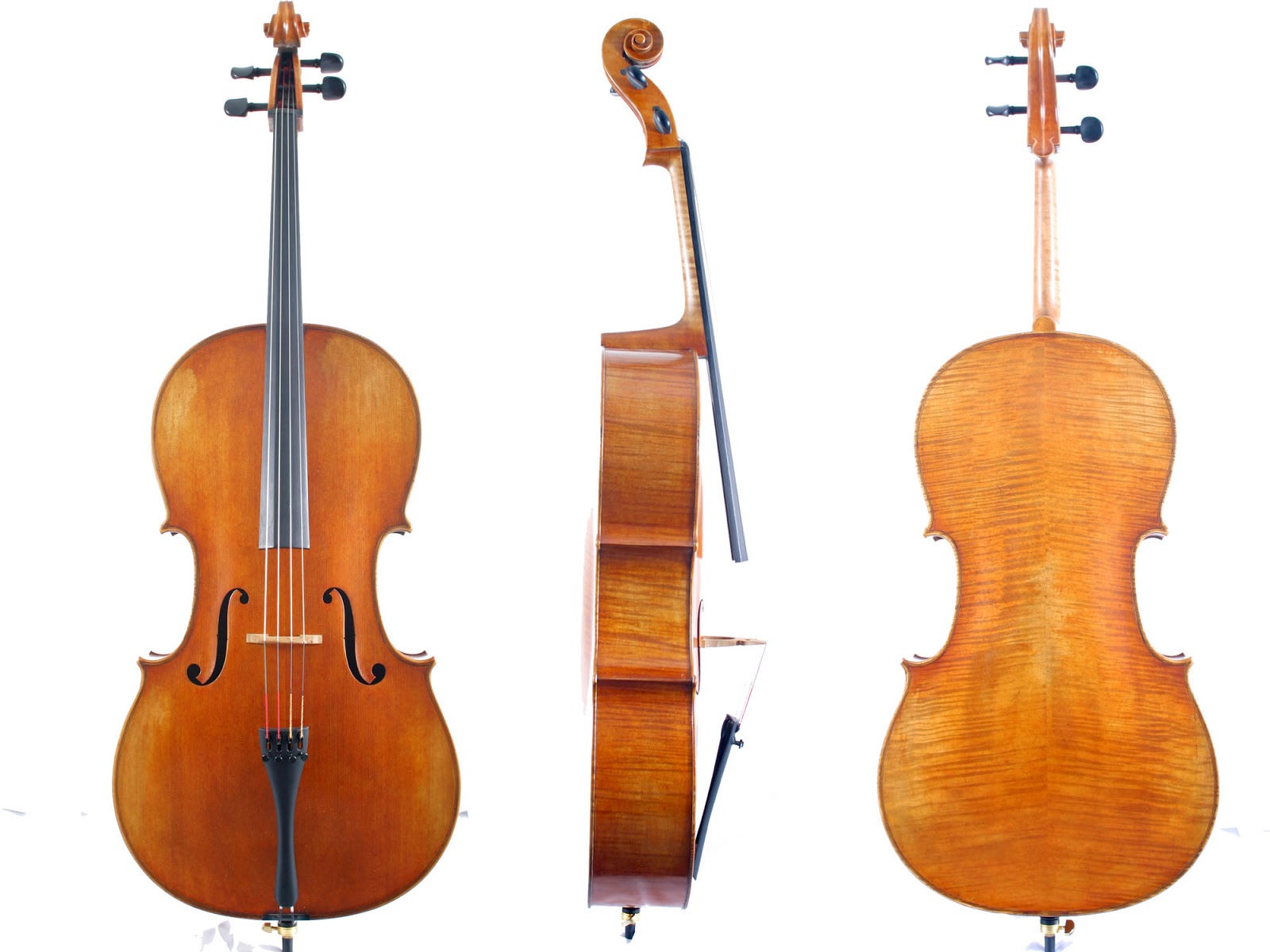
Cello: The cello is a lot bigger than the violin and the strings are a lot longer. As a result the sound it makes is much deeper and richer. Like the violin and viola, the cello began life in the 16th century. Since then many composers have written large-scale solo pieces for the cello, making the most of this wonderfully warm sound.

The cello possesses a wide variety of differing tone colors and means of expression, ranging from the calm and solemn in the lower register to bursts of passion in the uppermost register. Its underlying character has often been compared with the male voice. The transition between registers is smooth, although it cannot be denied that the individual strings have their own character, as they do on the violin and viola too.

Basically, the cello is something of a split personality; one the hand it plays the part of the solid, reliable bass instrument; on the other hand it aspires to the passion of a heroic tenor.

Sound characteristics of the individual strings

C string 
This string sounds weighty, dark, powerful. Its darkly powerful sound makes it highly suitable for performing a sonorous fundamental bass.

G string 
This string lacks the power and sustaining quality of the bottom string and is used to carry the bass voice. Suited to softer tonal effects. Resonant pizzicato on the C and G strings.

D string 
The D string is often described as the most musical and soulful and without doubt has the most pleasing sound. Used to play soft, silky, intimate, warm and lyrical cantilenas. Its weighty clarity is virtually unsurpassed.

A string 
This string has a bright, penetrating, shrill, incisive and dominant sound.


Mellow, warm, sonorous, full, clear, brilliant, vibrant, singing, bright, lustrous, stately, lyrical, cantabile, thick, weighty, powerful, silky, lively, incisive, eloquent, transcendental, supernatural, sensuous, calm, round, pure, muffled, dark, open, sustaining, solemn, wafting, gentle, sweet, veiled.


You can listen to the extract (below) as many times as you like. We don't want literal images of the instruments associated with the extracts, but we do want your concept paintings to associate with the shapes, forms, structures, mechanisms, colours, materials and special characteristics of the specific instrument - and the moods evoked by the music extract itself.  

We do want to get a sense of spaces and places - of being 'within' these various districts of our Kingdom Of Sound.

Think of the relationship between the instrument and the extract in the following way: the structure, shapes, mechanisms and movement of the instrument gives you your vocabulary of architectural components, and the music extract gives you the art direction (i.e. the mood, colour palette, composition etc.)

In regards to setting up your speed paints in Photoshop - a few basic rules: can you ensure you're working at the following settings: 2560 pixels x 1440 pixels / 300dpi.

Feel free to go even more panoramic if your vision demands it and feel free to flip between landscape and portrait as your imagination requires. Once you've completed your digital painting(s), can you upload it to your blog entitled YPGTTO Speed Paint Challenge, and include the number and title of the challenge too:  YPGTTO Speed Paint Challenge 8 : The Cello District

Please can you keep all your original Speed Paint files safe and sound in a folder, as I'll be collecting them in as an archive of the project at the end of the challenge.


Young Person's Guide To The Orchestra, Op. 34 - Cellos / Benjamin Britten


Need more inspiration? Visit the original YPGTTO brief here.